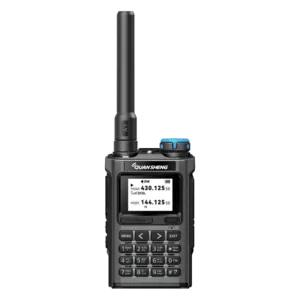
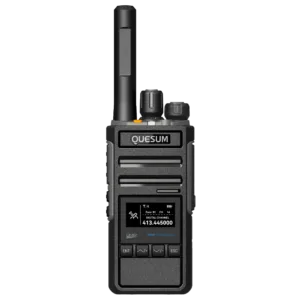
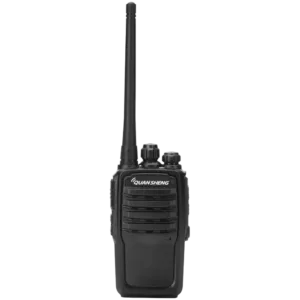
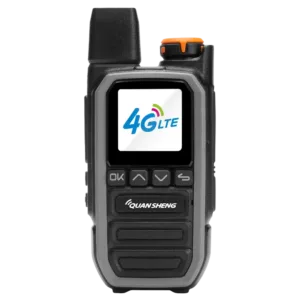
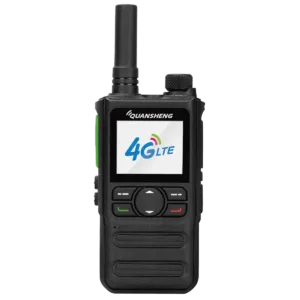
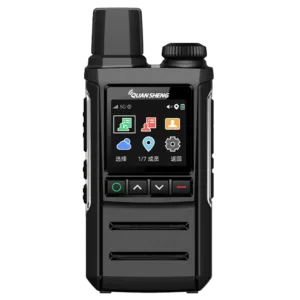
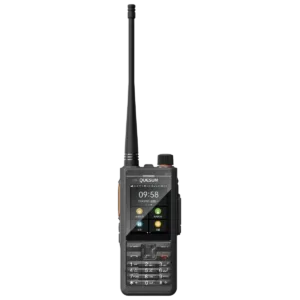
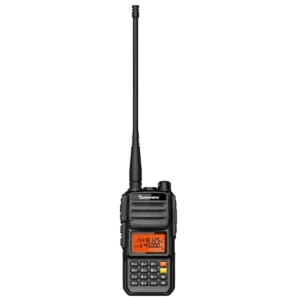
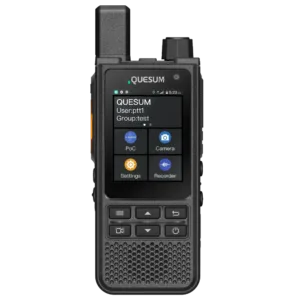
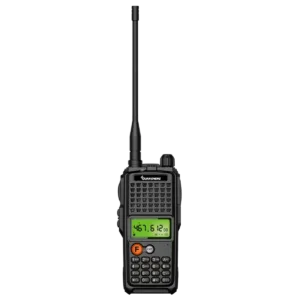
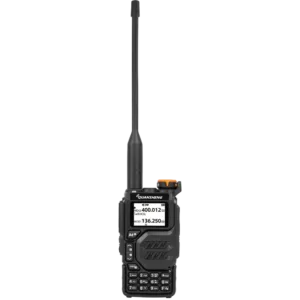
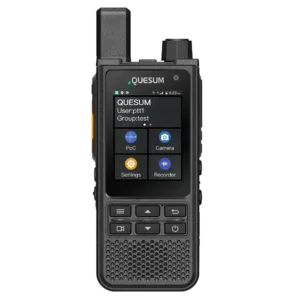
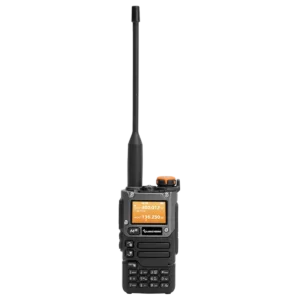
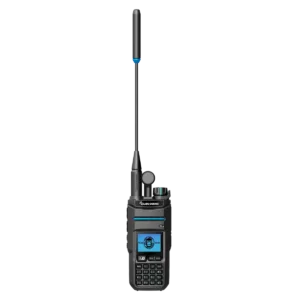
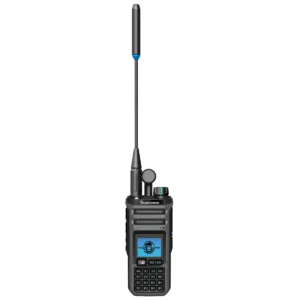
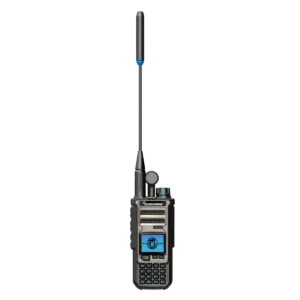
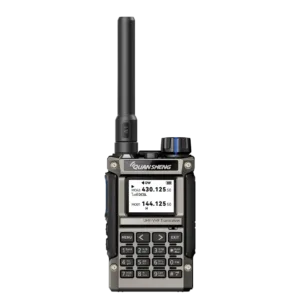
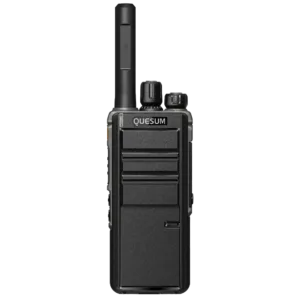
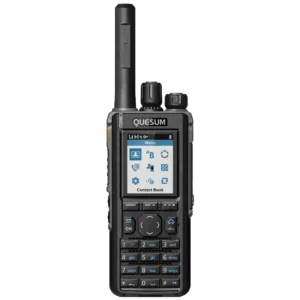
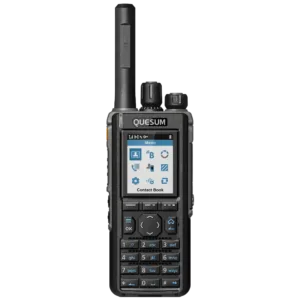
Types of Walkie Talkies
Walkie talkies are available in different technologies, frequency bands,
coverage levels, and operating formats. Choosing the correct type depends
on whether communication is required inside a building, across an open
outdoor area, over a long distance, or between multiple professional teams.
An
analog walkie talkie
provides simple and cost-effective voice communication for security,
events, warehouses, schools, and routine business operations. A
digital walkie talkie
uses advanced digital radio technology to provide clearer audio, improved
channel efficiency, better noise control, and additional features for
professional communication.
Frequency selection is also important. A
UHF walkie talkie
is generally suitable for factories, warehouses, shopping malls, hotels,
and urban environments with walls or structural obstacles. A
VHF walkie talkie
is commonly considered for open outdoor areas where signals can travel
with fewer physical obstructions.
For large sites, remote operations, or wider communication zones, a
long range walkie talkie
may provide a more appropriate solution. Businesses can also explore
professional
two-way radio systems
for coordinated communication between departments, shifts, security
personnel, and operational teams.
Digital Walkie Talkie
Designed for clear voice communication, efficient channel use,
improved noise handling, and professional DMR applications.
Explore Digital Models
Analog Walkie Talkie
A straightforward and cost-effective option for routine security,
warehouse, event, school, and commercial communication.
Explore Analog Models
Long Range Walkie Talkie
Suitable for large facilities, construction projects, industrial
sites, outdoor operations, and extended communication zones.
Explore Long Range Models
UHF Walkie Talkie
Commonly selected for indoor and urban communication in factories,
warehouses, buildings, hotels, and shopping malls.
Explore UHF Models
VHF Walkie Talkie
Often considered for outdoor sites, open fields, transport
operations, and locations with fewer physical obstructions.
Explore VHF Models
Professional Two-Way Radio
Built for coordinated communication across security teams,
departments, shifts, industrial sites, and business operations.
Explore Two-Way Radios
Walkie Talkie Applications and Use Cases
Walkie talkies are used where teams need instant communication and mobile
networks may be unavailable, unreliable, or too slow for operational
coordination. Security personnel use two-way radios for guard patrol,
access control, incident reporting, and rapid response. Construction teams
use them to coordinate engineers, supervisors, equipment operators, and
workers across different areas of a project site.
Factories and warehouses depend on professional radio communication for
production coordination, loading and unloading, inventory movement,
maintenance, and emergency response. Hotels, hospitals, shopping malls,
events, transport operations, and corporate campuses can also benefit from
a dependable
two-way radio communication system
that connects teams without relying on mobile internet.
Security and Guard Communication
Supports patrol coordination, access control, incident reporting,
emergency alerts, and rapid response between security personnel.
Factory, Warehouse and Logistics
Connects production, maintenance, inventory, loading, dispatch, and
warehouse teams during daily operations.
Construction Site Supervision
Enables immediate communication between engineers, supervisors,
equipment operators, safety teams, and workers.
Event and Venue Management
Keeps organizers, stage crews, technicians, security personnel, and
crowd-management teams connected without delay.
Walkie Talkie Range in Bangladesh – How Far Can It Work?
Walkie talkie range depends on transmitter power, frequency band, antenna
quality, terrain, building structure, interference, weather, and physical
obstacles. In an open outdoor environment, some professional radios may
provide several kilometres of communication under suitable conditions.
However, the actual range inside buildings or dense urban locations may be
considerably lower because walls, floors, steel structures, equipment, and
nearby radio signals can weaken communication.
For factories, warehouses, hotels, shopping malls, and multi-storey
buildings,
UHF two-way radios
are often considered because they are commonly used in environments with
structural obstacles. For open outdoor locations, a
VHF radio
may be appropriate depending on the site and approved frequency plan.
Operations that require communication across large industrial sites,
remote areas, multiple buildings, or wide construction zones should
consider a
long range walkie talkie solution.
A repeater, site survey, antenna planning, and proper channel configuration
may be required when direct radio-to-radio coverage is insufficient.
Practical range tip:
Select a radio based on the actual operating environment, including walls,
floors, distance, terrain, machinery, and interference—not only the maximum
range mentioned in marketing materials.
Key Features to Compare Before Buying a Walkie Talkie in Bangladesh
Before buying a walkie talkie in Bangladesh, compare the features that
directly affect coverage, voice quality, durability, battery performance,
and daily usability. The right specification depends on the working
environment, number of users, shift duration, communication distance, and
whether separate teams require independent channels.
Businesses should also decide whether an
analog radio
is sufficient or whether a
digital DMR walkie talkie
is more suitable for professional communication, clearer audio, efficient
channel use, and advanced operational requirements.
-
Frequency band:
Compare UHF and VHF based on indoor, outdoor, urban, industrial, and
open-area communication requirements.
-
Analog or digital technology:
Analog models offer straightforward communication, while digital radios
may provide improved audio quality and additional functions.
-
Channel capacity:
Ensure the radio can support separate departments, shifts, zones, and
communication groups.
-
Battery backup:
Choose a battery capacity and charging workflow that can support the
required working shift.
-
Audio quality:
Clear voice output and noise-control features are important for factories,
events, construction sites, and crowded environments.
-
Durability:
Rugged construction, impact resistance, and suitable environmental
protection are important for industrial and field operations.
-
Range and repeater compatibility:
Check whether direct communication is sufficient or extended coverage
infrastructure may be required.
-
Accessories:
Confirm compatibility with earpieces, speaker microphones, spare
batteries, antennas, chargers, and programming cables.
Walkie Talkie Price in Bangladesh – Factors That Affect Cost
Walkie talkie price in Bangladesh varies depending on radio technology,
frequency, communication range, battery capacity, channel support, build
quality, brand, accessories, and after-sales services. Entry-level analog
models generally cost less, while professional digital radios may have a
higher price because of their improved audio performance, channel
efficiency, security functions, and advanced features.
A
long range walkie talkie,
rugged industrial radio, or repeater-compatible system may cost more than a
basic handheld model. Additional batteries, multi-unit chargers, earpieces,
speaker microphones, programming, and configuration can also affect the
total project cost.
Order quantity, warranty coverage, stock availability, site requirements,
programming support, and licensing-related assistance may influence the
final quotation. Businesses should compare total operating value rather
than selecting a radio only by its initial purchase price.
How to Choose the Right Walkie Talkie in Bangladesh
Start by identifying the operating environment: indoor, outdoor, or mixed.
Determine how many users need radios, how many teams require separate
channels, the approximate coverage area, daily working hours, and whether
communication must continue through walls, floors, machinery, or wide open
spaces.
-
Step 1:
Identify the application, such as security, factory, warehouse,
construction, hotel, transport, or event management.
-
Step 2:
Estimate the real coverage area and identify walls, floors, metal
structures, machinery, and outdoor obstructions.
-
Step 3:
Compare UHF and VHF options based on the operating environment and
communication requirements.
-
Step 4:
Choose between analog and digital technology according to budget, audio,
channel, and feature requirements.
-
Step 5:
Confirm battery backup, charging time, spare battery requirements, and
daily shift duration.
-
Step 6:
Consider repeater support or a site coverage plan for large facilities
and multi-building operations.
-
Step 7:
Check programming, warranty, service support, and accessory
compatibility before placing an order.
Buying checklist:
For multi-floor buildings, factories, large project sites, or wide outdoor
zones, arrange a coverage assessment and channel plan before selecting the
final radio system.
Walkie Talkie Setup and Programming Support in Bangladesh
Professional walkie talkie deployment may require channel programming,
frequency configuration, user-group planning, radio identification,
accessory setup, and basic operator training. Correct configuration helps
reduce communication conflicts, improves channel management, and ensures
every radio assigned to a team works consistently.
Mugnee provides walkie talkie setup, programming support, configuration
guidance, channel planning, device preparation, and operational support for
business and industrial communication requirements in Bangladesh. A
properly planned system can help security teams, factories, warehouses,
projects, and event operations manage daily communication more reliably.
Benefits of Using Walkie Talkie Communication
A professional two-way radio communication system enables teams to exchange
information quickly without making individual phone calls. It can improve
coordination, response time, workplace safety, and operational efficiency
in security, construction, factory, warehouse, hotel, transport, and event
environments.
Instant Team Coordination
Push-to-talk communication allows information to reach individual users
or operational groups without call setup delays.
No Mobile Network Dependency
Radios can communicate directly on configured channels without mobile
data, internet access, or a cellular calling plan.
Improved Operational Safety
Immediate communication helps teams report hazards, request support,
coordinate emergencies, and respond to incidents faster.
Cost-Effective Team Communication
A properly selected radio system can support frequent operational
communication without recurring per-call or SIM expenses.
Suitable for Industrial Use
Rugged radio options, replaceable batteries, charging docks, and
accessories can support demanding workplace conditions.
Scalable for Multiple Teams
Channel-based communication can connect departments, shifts, zones,
security groups, and operational teams as requirements grow.